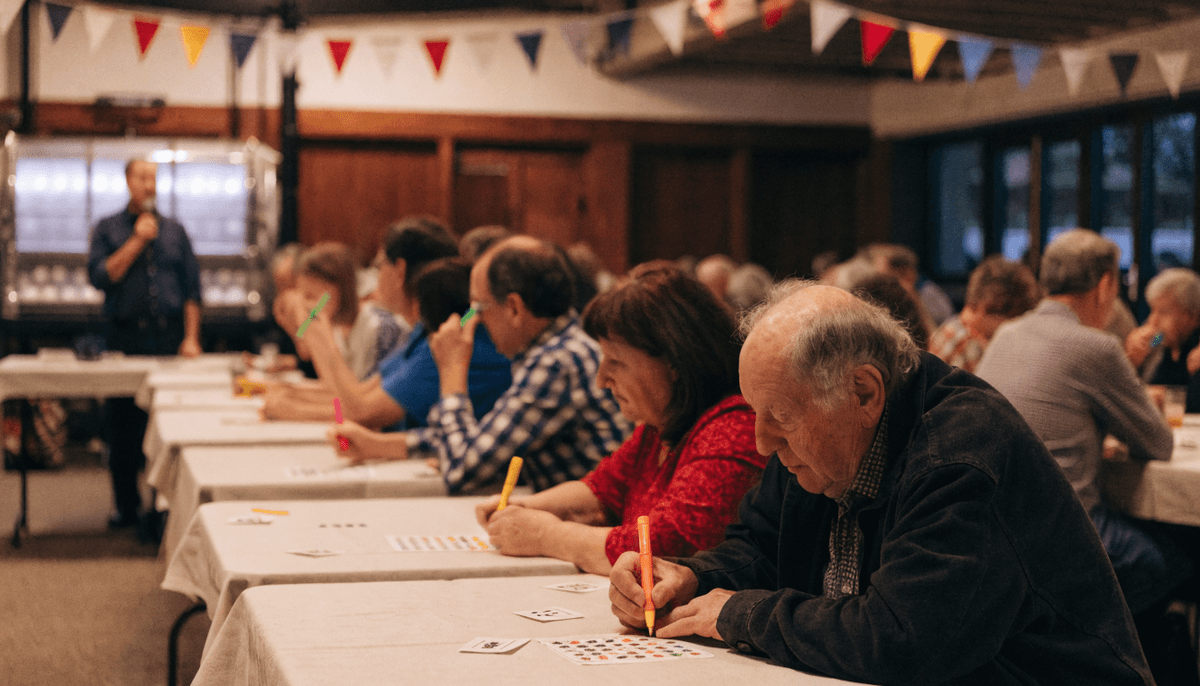

How to Run a Quiz Night Fundraiser for Your Club (UK Guide)
A practical UK guide to running a quiz night fundraiser: format, pricing, prizes, the rules on raffles, and how to raise far more than the entry fee alone.
How to Run a Quiz Night Fundraiser for Your Club (UK Guide)
A quiz night is one of the cheapest, most reliable fundraisers a UK grassroots club can run: book a room, write six rounds, charge per team, and add a draw on the night to lift the total. The entry fee alone rarely covers much — the money is made in what you run alongside the quiz. The simplest way to do that is a digital 50/50 draw or raffle through Play Fund Win, which handles ticket sales, payments and the draw compliantly, needs nothing up front and can be live in about ten minutes — so you can sell tickets in the weeks beforehand and right through the interval, not just to whoever has cash in their pocket.
Why quiz nights still work
They are low-risk and low-cost. Your venue is usually your own clubhouse or a local pub back room, your quizmaster is a volunteer, and your costs are a few printed answer sheets and some pens. That means almost everything you take is profit. They also bring in people who never come to a match — parents, partners, sponsors, neighbours — which is worth as much as the money.
What you need to organise
- A date and venue. Midweek evenings work well in season; avoid clashing with big televised fixtures. Check capacity honestly — a half-empty hall kills the atmosphere.
- A quizmaster. Pick someone confident with a microphone who keeps things moving. Pace matters more than clever questions.
- Questions. Six to eight rounds of ten. Mix general knowledge, music, pictures, sport and a local round about the club or the town — the local round is always the favourite.
- A team price. Charge per team of six rather than per head; it encourages people to fill tables and makes the maths easy on the door.
- Answer sheets and a marking plan. Swap sheets between tables for marking, or have two volunteers marking as you go so there is no long wait at the end.
- Food and drink. A simple pie-and-peas or a curry at a small extra charge adds margin and keeps people in the room.
Where the money actually comes from
Treat the entry fee as the thing that gets people through the door, then layer income on top:
- A raffle or 50/50 draw. The single biggest earner at most quiz nights. With a 50/50 draw the pot splits between the winner and the club, so you need no prize donations at all and there is nothing to store or transport.
- Bonus rounds people pay to enter. A picture sheet on the table, a "beat the quizmaster" wager, or a joker round — small amounts, but they add up across twenty tables.
- Sponsorship. Ask a local business to sponsor a round or the prize. It costs them little and gives them a mention on the night.
- Bar takings. If it's your own clubhouse, this is often the quiet winner. Factor it in when you judge whether the night worked.
- Selling tickets before and after. An online draw means supporters who can't attend can still buy in, which typically widens your reach well beyond the room.
The rules you need to know
The quiz itself is a game of skill, so it is not gambling and needs no licence or registration. The moment you add a raffle, tombola or 50/50 draw, though, you are running a lottery under the Gambling Act 2005, and rules apply.
In broad terms: a small raffle run purely as part of a non-commercial event, with tickets sold only at that event and the draw made before it ends, can usually be run without registering — but there are limits on how much of the proceeds may be spent on prizes and expenses, and you can't roll the prize over. If you want to sell tickets in advance, online, or over several weeks, that is a different category and normally requires your club or charity to register as a small society lottery with your local authority licensing team. Entrants must be 18 or over, and you should be clear and truthful about how proceeds will be used.
Check the current rules with the Gambling Commission or your local licensing team before you print anything — and if you'd rather not manage the detail yourself, run the draw on a compliant platform built for UK clubs and charities, which keeps age checks, payments and records handled for you.
Mistakes to avoid
- Cash only. Plenty of people carry none. Take card or online payments for entry and tickets, or you're leaving money behind.
- Too many rounds. Two hours is plenty. People drift when it drags.
- Promoting it too late. Start three to four weeks out, push it in team WhatsApp groups, and get team captains to commit to filling a table.
- Not counting properly. Record what came from entry, the draw, food and the bar separately, so next year you know what to grow.
Make the next one bigger
Announce the total raised before everyone leaves, thank the volunteers and sponsors by name, and book the next date on the spot. A quiz night that runs three or four times a year becomes a habit — and once your draw is set up online, each one takes a fraction of the effort.
Ready to raise more on the night? Set up a compliant 50/50 draw or raffle for your club in about ten minutes at playfundwin.com — nothing up front, with your club keeping its share of every ticket sold.
Tagged in:
On This Page
One fundraising tip a week.
From the team behind £1M+ raised. Unsubscribe any time.
Related Articles
Explore more insights from our blog that you might find valuable